


The release of Autodesk Revit 2027 brings a series of targeted improvements aimed at making every day modelling tasks faster, more consistent and easier to control. While this version s widely recognised for it AI integration and cloud connectivity, it also introduces subtle but meaningful enhancements to architectural elements, especially stairs.
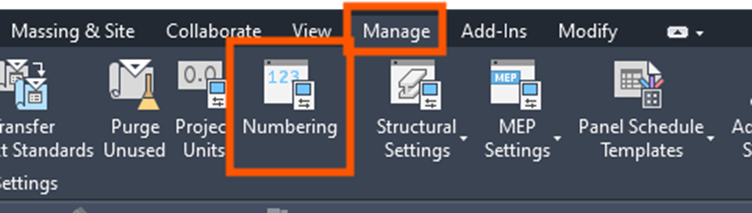
Smarter Stair Numbering Control
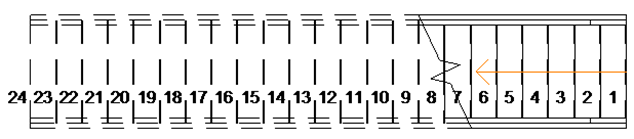
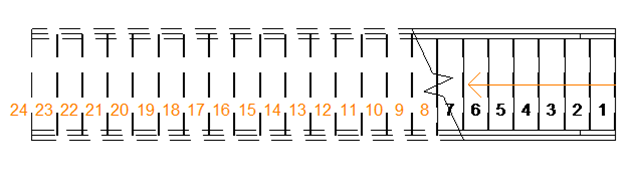
One of the most notable updates is the enhancement to stair tread numbering. In previous versions, numbering stairs often required adjustments or workarounds when design changes occurred. With Revit 2027:
- Stair and tread numbering can now be controlled through type properties.
- Changes automatically propagate across the model.
- Consistency is maintained even when geometry is modified.
This improvement aligns with the broader introduction of rule-based numbering, which automated repetitive annotation tasks and reduces manual errors. It also means designers spend less time numbering stairs and more time focusing on design intent.
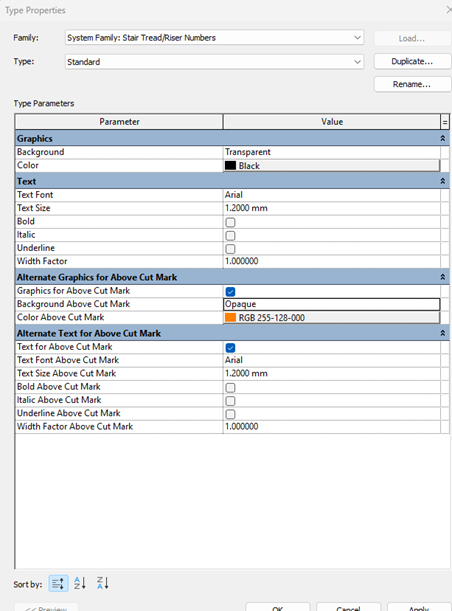
Improved Annotation and Documentation
Autodesk Revit 2027 introduces enhanced annotation controls for stairs, particularly around tread and riser labelling. Key improvements include:
- Better control over how stair elements are tagged.
- Cleaner and more flexible annotation display.
- Reduced need for custom tagging families.
These changes support more accurate and readable documentation, especially in large or complex projects. This means documentation becomes clearer and easier to standardise across teams.
Integration with broader Automation Features
Although not exclusive to stairs, several global improvements in Autodesk Revit 2027 directly benefit stair workflows.
1 – Rule Based Automation
Stair elements now benefit from automated systems that adapt when the model changes. This reduces rework when levels, layouts or dimensions are updated.
2 – AI Powered Assitance
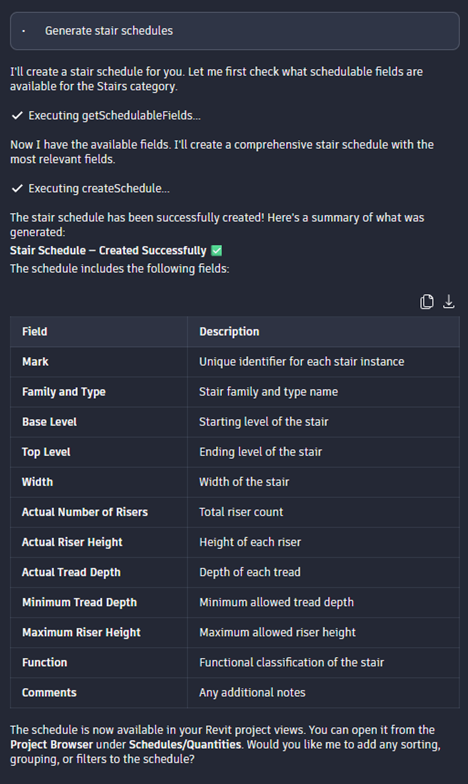
The new Autodesk Assistant allows users to query and modify elements, including stairs, using natural language commands such as:
- Generate stair schedules.
- Adjust parameters.
- Troubleshoot modelling issues.
This represents a shift towards interactive BIM workflow as well as resulting is faster problem solving and reduced dependency on manual navigation.

Better Coordination in Multi-Disciplinary Projects
Stairs often sit at the intersection of architecture, structure and code compliance. Revit 2027 improves coordination through:
- Real-time issue tracking within the model.
- Better synchronisation with cloud-based workflows (Autodesk Forma integration – Data Management).
- Improved consistency in design options and modelling behaviour.
These enhancements ensure that stair designs remain coordinated across disciplines without repeated revisions. This results in fewer coordination clashes and smoother collaboration.
The stair related updates in Autodesk Revit 2027 may seem incremental at first glance, but they address long-standing pain point in BIM workflows. Even small updated, like better numbering logic, can significantly impact productivity when applied across large projects.
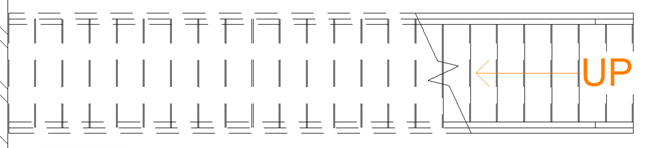
By improving numbering, annotation and automation, Autodesk has made stair modelling:
- More efficient – less manual work.
- More consistent – rule-based systems.
- More integrated – AI and cloud workflows.
For architects and BIM professionals, these enhancements translate into better productivity and more reliable project documentation. If you regularly work with complex stair layouts or documentation heave projects, these updates are worth exploring.
Still got Questions?
Book Training
Our Revit courses cover everything from the skills required to use the software, to design and share information between project teams, through to creating custom family elements.
Contact Us
We are here to ensure you receive a consistently high service and quality solutions for your business needs. We promise you won’t regret speaking to us, and if we can’t help you, we will try to find someone that can.