


With Autodesk University being the main event in the calendar year for customers to see all the latest product releases, developments to their software portfolio as well as a glimpse of what is to come, this years edition certainly didn’t disappoint.
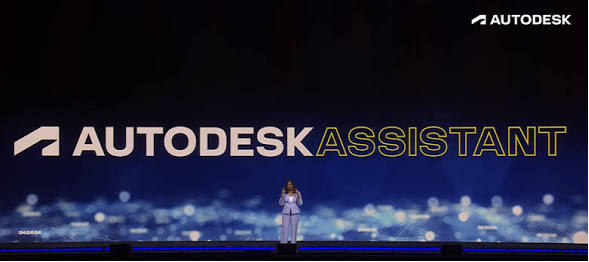
So, what was on show if you weren’t at the event in Nashville or able to follow along on line? Well, plenty of live, workflow demonstrations (a refreshing edition, especially within the keynotes), as the Autodesk product personas came to life along with the introduction of Autodesk Assistant; the in-product Autodesk AI tool. The Autodesk personas focussed primarily on Forma for AEC customers and Fusion for the manufacturing industry.
It’s clear that Autodesk are developing their offerings to cater for the broader construction and manufacturing workflow. The emphasis however, unlike before, is seamless links between products and each stage of your workflow being digitised. Whether this is leveraging AI to speed up the design, or reduce rework from one stage to another, Autodesk are accelerating their offerings at a rate not seen before, with plenty more to come over the coming months. Troubleshooting, informed design and generative design along with communication and updates, were continually shown in product with ease and speed.
To delve a bit deeper, this was clear with Autodesk Assistant leveraging AI to add wall tags, views and naming conventions to a model. This typically quite timely task was done at the click of a button. The boring, mundane tasks are always mentioned as being the area that AI can support you with.
So what else was shown? Autodesk used generative AI tools in Fusion to take a product into a Microsoft presentation. Slides white labelled to the company colours, completely storyboarded and with supporting descriptions at the click of a button. AI was also mention in recognising and tagging assets from a scan inside of ReCap – a huge step forward and a timesaver when working with point clouds. The list goes on.
Whilst very different example, Autodesk AI was also demonstrated as being a learning tool, fully built into the application. This includes pop ups to show how someone can use the product more effectively, improve the path they take for a specific job or giving recommendations on how to work better, faster and smarter. Clearly this tackles a big challenge customers have with continued learning, adoption and product understanding after doing formalised training.
Other key updates include:
- Revit’s integration as the first ‘Forma Connecter Client’, allowing outcome-drive features such as Forma analysis and contextual data integration directly within Revit.
- Expansion of interoperability through Autodesk Data Exchange Connectors, now generally available for Inventor, Tekla and Rhino.
- Esri showcased GIS and BIM integration, highlighting how location-powered design enhances the built environment.
- AI-enhance cloud workflows that enable architects, engineers, constructors and facility managers to make more with less time.
It’s clear that with Autodesk’s development trajectory, reducing time and the cost of your projects is possible.
For construction it’s time to think about just how much your re-work is costing you as well as the time lost not having systems, workflows and processes truly integrated. For manufacturers, the same also exists however think about utilising the technology now available to not only drive product innovation further, but more quickly and to transform your wide workflow.
Still got Questions?
Buy Software
Autodesk is a global leader in software for architects, builders, engineers, designers, manufacturers, 3D artists and production teams. Contact us now to find out which software is right for you.
Contact Us
We are here to ensure you receive a consistently high service and quality solutions for your business needs. We promise you won’t regret speaking to us, and if we can’t help you, we will try to find someone that can.